
Self-Exclusion and Venue Exclusion Systems
Self-exclusion is one of the most effective statutory harm minimisation tools available under New Zealand law. The legal framework provides two distinct exclusion paths: formal Casino Exclusion Orders under Section 310, and the Multi-Venue Exclusion (MVE) scheme for Class 4 pub pokie venues.
1. Casino Exclusion Orders (Sections 309 - 312)
Under Section 310 of the Gambling Act 2003, any individual may request a casino manager to issue a formal Exclusion Order prohibiting them from entering the casino gaming area for a specified period (typically up to two years). Key legal aspects include:
- Binding Legal Instrument: Once executed, the order is legally binding. If the excluded individual enters the casino gaming floor, they commit a statutory offence and may be removed by venue security or the New Zealand Police.
- Forfeiture of Winnings: Under Section 312, any chips, credits, or winnings accumulated by an excluded person while in breach of an exclusion order are forfeited to the Crown.
- Operator Initiated Exclusion: Under Section 309, casino managers are legally empowered (and in certain circumstances required) to issue exclusion orders to patrons displaying clear signs of harm, even without the patron consent.
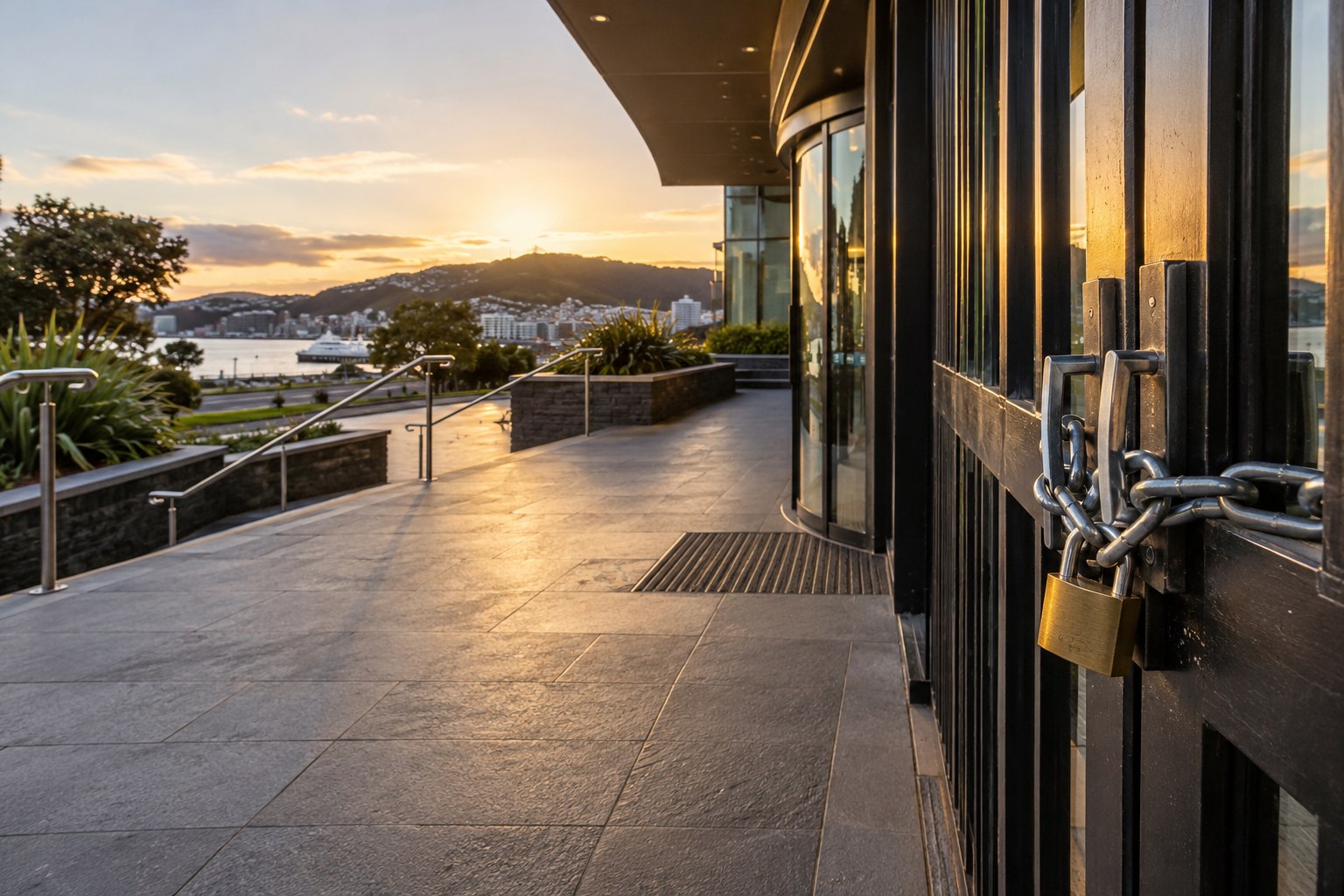
2. Multi-Venue Exclusion (MVE) for Class 4 Pubs & Clubs
Historically, an individual wanting to ban themselves from pub pokies had to visit dozens of separate taverns. The Multi-Venue Exclusion (MVE) system resolves this barrier:
An individual meets with a trained counsellor at a designated problem gambling support agency (such as the Problem Gambling Foundation or Salvation Army Oasis). In a single confidential session, the individual selects all venues across a suburb, city, or wider region from which they wish to be excluded. The agency distributes the exclusion notice to all selected venues simultaneously.
3. Facial Recognition Technology & Privacy Protections
Major New Zealand casinos and high-volume Class 4 clubs utilise automated Facial Recognition (FR) cameras at entrances to detect excluded patrons. The Office of the Privacy Commissioner (OPC) works closely with the Department of Internal Affairs to ensure these systems retain biometric data solely for exclusion enforcement, deleting non-matching visitor imagery immediately to protect civil privacy.