Permitted Gambling: Classes 1 to 4
Under New Zealand law, lawful gambling is organized into a four-tier classification system, alongside grandfathered commercial casinos and statutory monopolies for lotteries and racing. Each category is subject to distinct financial limits, licensing requirements, and compliance duties.
The Four Classes of Gambling
Sections 21 through 34 of the Gambling Act 2003 establish specific parameters for non-casino gambling:
| Class | Turnover / Prize Limit | Licence Required? | Permitted Operator | Primary Purpose |
|---|---|---|---|---|
| Class 1 | Prizes under $500; turnover under $1,000 | No licence required | Individuals or non-profit societies | Community fundraising, raffles, local entertainment |
| Class 2 | Prizes under $5,000; turnover under $25,000 | No licence required | Non-profit societies only | School galas, local sporting clubs, community draws |
| Class 3 | Prizes exceed $5,000; large sweeps | Yes (DIA Licence) | Corporate societies (non-profit) | Charitable fundraising, national non-profit campaigns |
| Class 4 | Electronic gaming machines (EGMs) | Yes (Operator & Venue Licences) | Corporate societies (gaming trusts) | Pub and club pokies; 40% minimum community distribution |
Commercial Land-Based Casinos
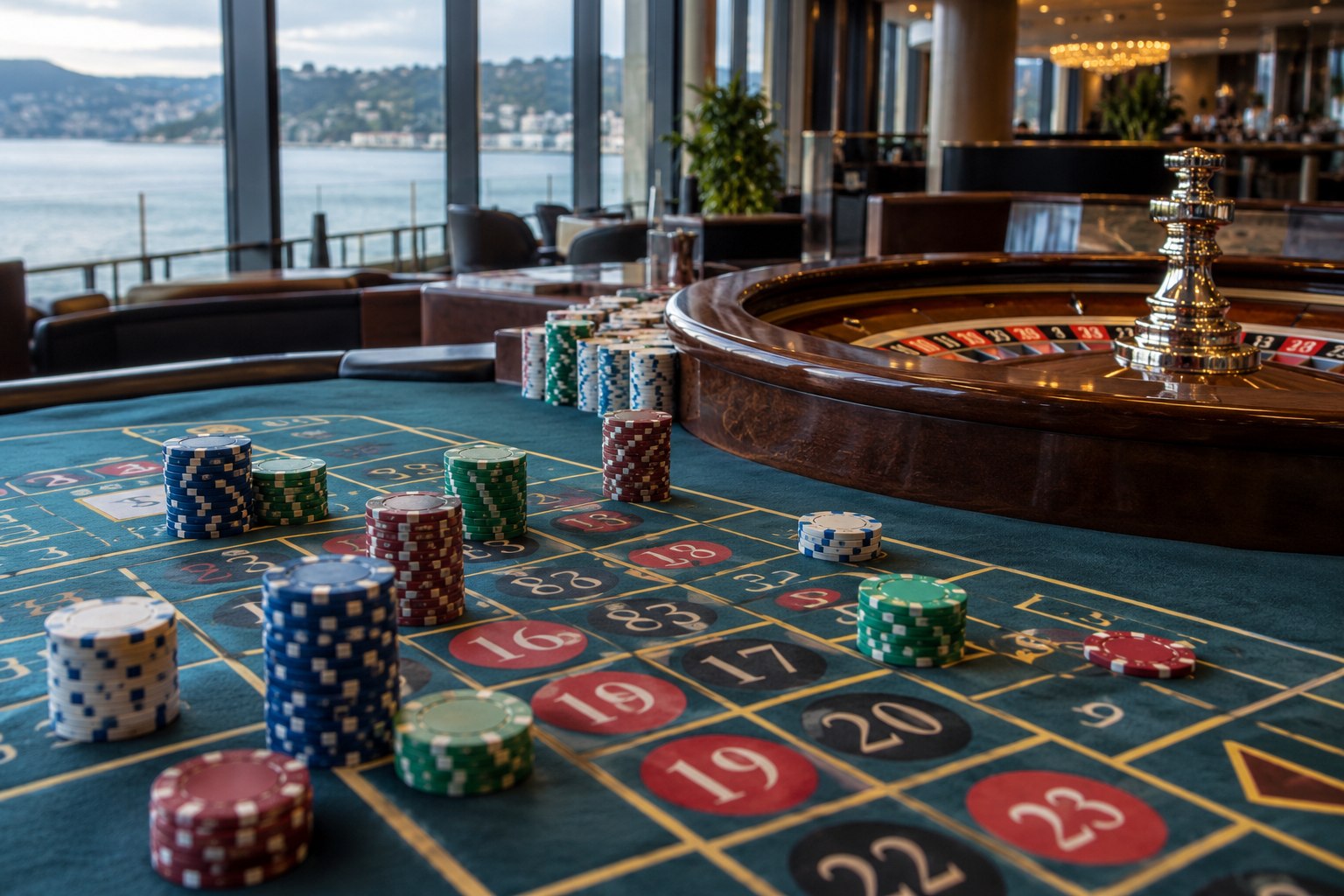
Unlike gaming machine trusts, land-based casinos operate as commercial enterprises under stringent licence conditions. Under Section 10 of the Gambling Act 2003, no new casino venue licences may ever be granted. New Zealand possesses exactly six licensed casino properties:
- SkyCity Auckland: The largest venue in the country, operating electronic gaming machines, table games, high-roller salons, and hotel amenities.
- Christchurch Casino: The South Island premier property, operating table games and electronic machines under independent licensing oversight.
- SkyCity Hamilton: Regional entertainment venue located on the Waikato River bank.
- SkyCity Queenstown & Wharf Casino: Two boutique gaming properties located in the alpine tourist centre.
- Dunedin Casino (Grand Casino): Historic heritage venue operating in the Southern city centre.
State Monopolies: Lotto NZ and TAB NZ
New Zealand reserves two specific forms of commercial gambling exclusively for statutory entities:
- New Zealand Lotteries Commission (Lotto NZ): Authorised under Part 3 of the Act to operate national lotteries (Lotto, Powerball, Strike, Keno, Instant Kiwi). All profits are distributed to community, sporting, and artistic causes via the NZ Lottery Grants Board.
- TAB New Zealand: The statutory sports and race wagering operator, established under the Racing Industry Act 2020.